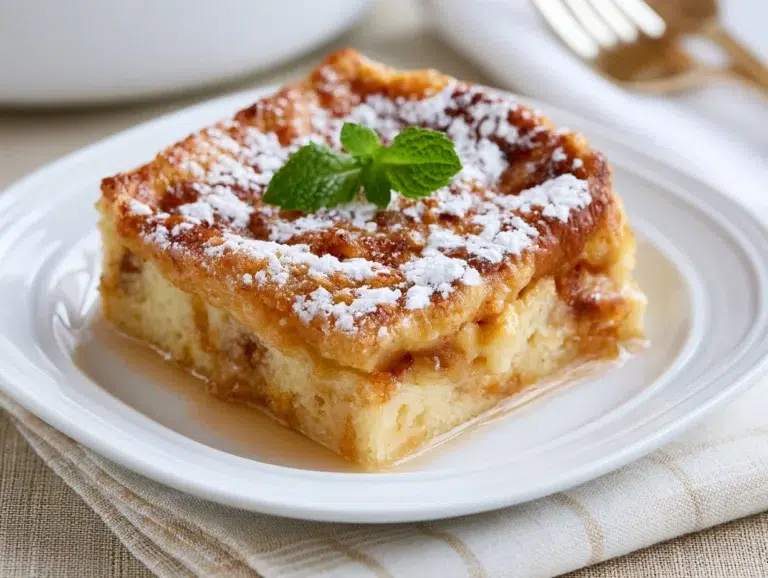
There’s something undeniably comforting about a perfectly made French toast—golden on the outside, soft and custardy on the inside. It’s a breakfast classic that feels indulgent yet is surprisingly simple when done right. Mastering it is less about complexity and more about technique.
Many home cooks underestimate how small details—like bread choice, custard balance, and cooking temperature—can elevate this humble dish into something restaurant-worthy. When executed properly, French toast becomes more than just breakfast; it becomes an experience.
In professional kitchens, consistency is everything. Each slice is carefully soaked, evenly cooked, and beautifully finished. The goal is always the same: rich flavor, balanced sweetness, and a texture that melts in your mouth.
This guide is designed to help you achieve that level of perfection at home. With the right approach, you’ll create French toast that rivals top brunch spots—every single time.
Ingredients You’ll Need
The secret to exceptional French toast lies not in fancy ingredients, but in how thoughtfully you use simple ones already in your kitchen. This recipe proves that pantry staples can create something truly extraordinary.
One of the things I love about this recipe is that it uses simple pantry ingredients. You probably already have most of them in your kitchen.
Base Ingredients:
- 4 slices thick-cut bread
- 2 large eggs
- 1 cup milk
- 2 tablespoons sugar
- 1 teaspoon vanilla extract
- 1/2 teaspoon ground cinnamon
- 1 tablespoon butter
Optional Add-ins:
- 1/4 teaspoon nutmeg
- 2 tablespoons heavy cream
- 1 tablespoon maple syrup
- 1/4 cup fresh berries
- 2 tablespoons chopped nuts
Step-by-Step Instructions
Prepare the Custard
In a medium bowl, whisk together eggs, milk, sugar, vanilla extract, and cinnamon until fully combined. The mixture should be smooth and slightly frothy. Avoid over-whisking, as too much air can affect the texture. Let the custard sit for a minute so the flavors meld together naturally.
Soak the Bread
Dip each slice of bread into the custard mixture, allowing it to absorb evenly. Let it sit for about 10–15 seconds per side, depending on thickness. The goal is saturation without sogginess. Remove carefully to prevent tearing and allow excess liquid to drip off before cooking.
Heat the Pan
Place a non-stick skillet or griddle over medium heat and add butter. Allow it to melt completely and coat the surface evenly. The pan should be hot but not smoking. Proper heat ensures a golden crust without burning the sugars in the custard.
Cook to Perfection
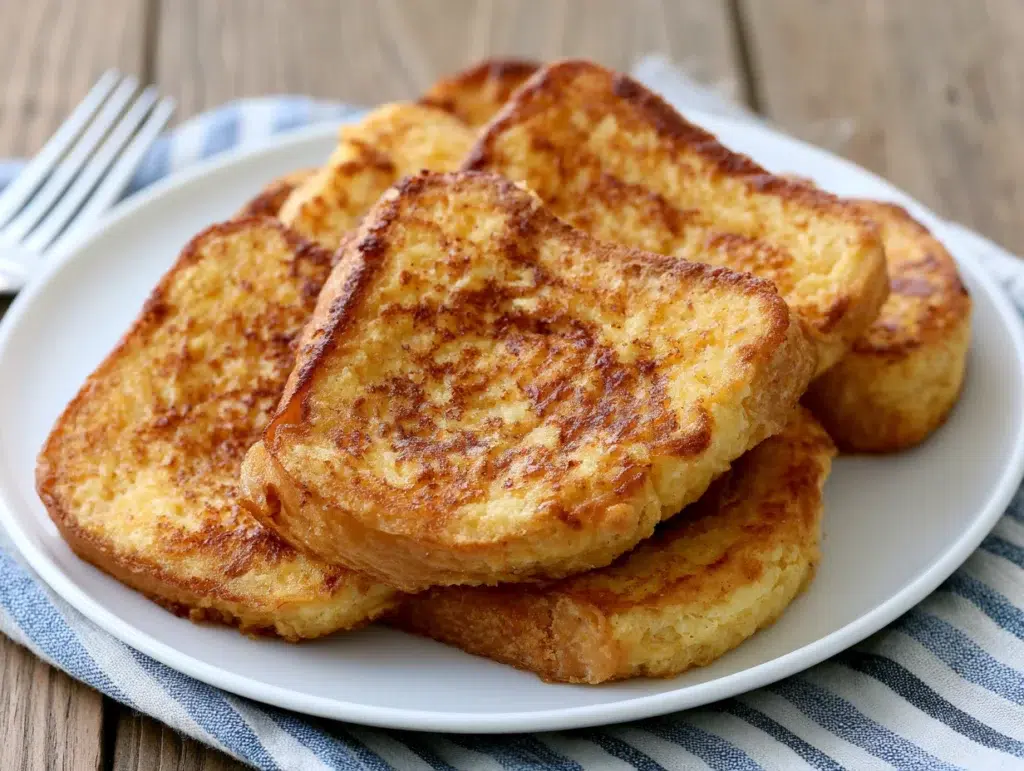
Place the soaked bread slices onto the pan and cook for 3–4 minutes per side. Flip only once to maintain structure. You’re looking for a rich golden-brown color with slightly crisp edges. Adjust heat if necessary to prevent burning while ensuring the inside cooks through.
Finish and Serve
Transfer to a plate and serve immediately. Add toppings like maple syrup, fresh fruit, or powdered sugar. Serve hot for the best texture and flavor. A final touch of butter enhances richness and brings the dish together beautifully.
Cook Time
Total:
20 minutes
Prep:
10 minutes
Bake:
10 minutes
Servings
This recipe is designed to serve two people generously, making it ideal for a cozy breakfast or brunch setting.
Makes approximately 4 slices of French toast, depending on bread thickness and absorption level.
If serving a larger group, the recipe can easily be doubled or tripled without compromising quality.
Common Mistakes in This Recipe
One common mistake is using thin or low-quality bread, which tends to fall apart during soaking. This leads to uneven texture and poor presentation.
Another issue is over-soaking the bread. While absorption is important, too much liquid results in soggy French toast that lacks structure.
Cooking at the wrong temperature is also a frequent problem. Too high heat burns the outside while leaving the inside undercooked.
Lastly, many skip seasoning the custard properly, resulting in bland flavor that fails to stand out.
Solutions to Common Mistakes
Choose thick, slightly stale bread like brioche or challah for better absorption and structure. It holds the custard beautifully.
Control soaking time carefully. A quick dip is often enough for thinner slices, while thicker ones need slightly more time.
Maintain medium heat throughout cooking. Adjust as needed to ensure even browning without burning.
Enhance flavor by balancing sweetness and spice in the custard. A pinch of salt can also elevate overall taste.
Nutritional Information (approx. per serving)
- Calories: 220–260
- Protein: 8g
- Carbohydrates: 25g
- Fat: 10g
- Sugar: 8g
French toast provides a good balance of carbohydrates and protein, making it a satisfying breakfast option that fuels your morning.
Eggs contribute essential nutrients like vitamin B12 and high-quality protein, supporting energy and muscle health.
Milk adds calcium and vitamin D, which are important for bone strength and overall wellness.
When paired with fresh fruits, the dish becomes more nutrient-dense, adding fiber and antioxidants to your meal.
Storage Instructions
Allow leftover French toast to cool completely before storing. This prevents condensation and sogginess.
Place slices in an airtight container and refrigerate for up to 2 days. Separate layers with parchment paper.
For longer storage, freeze individual slices wrapped tightly. They can last up to one month in the freezer.
Reheat in a toaster or oven for best results. Avoid microwaving, as it can make the texture rubbery.
Suggestions
Serve with maple syrup and fresh berries for a classic, balanced flavor combination that enhances both sweetness and freshness.
Add a dollop of whipped cream or yogurt for a creamy contrast that complements the crispy edges.
For a savory twist, reduce sugar and pair with eggs and avocado for a hearty breakfast.
Experiment with flavored syrups or caramelized bananas to elevate presentation and taste.
Seasonal Relevance
French toast is perfect for winter mornings when warm, comforting breakfasts are most appreciated.
In spring, pair it with fresh strawberries and light syrups for a refreshing twist.
During summer, serve with chilled fruits and a drizzle of honey for a lighter feel.
In autumn, incorporate spices like cinnamon and nutmeg to match seasonal flavors beautifully.
Final Words
Mastering French toast is about understanding technique rather than complexity. With a few small adjustments, you can transform a simple dish into something exceptional.
Focus on quality ingredients and proper cooking methods. These details make all the difference.
Practice consistency and pay attention to texture and flavor balance. That’s what separates average from professional results.
With this guide, you’re fully equipped to create French toast that impresses every time.
Frequently Asked Questions
What type of bread works best for French toast?
Thick-cut bread like brioche, challah, or Texas toast works best because it absorbs the custard without falling apart. Slightly stale bread is ideal as it soaks better while maintaining structure, resulting in a rich interior and crisp exterior.
Can I make French toast without milk?
Yes, you can substitute milk with alternatives like almond milk, oat milk, or even water in a pinch. However, milk adds richness and creaminess, so using a substitute may slightly alter the flavor and texture.
How do I prevent French toast from becoming soggy?
Avoid over-soaking the bread and ensure your pan is properly heated before cooking. Using thick slices and allowing excess custard to drip off also helps maintain structure, resulting in a perfectly cooked interior and crispy exterior.
How to Make French Toast Like a Breakfast Pro
2
servings10
minutes10
minutes260
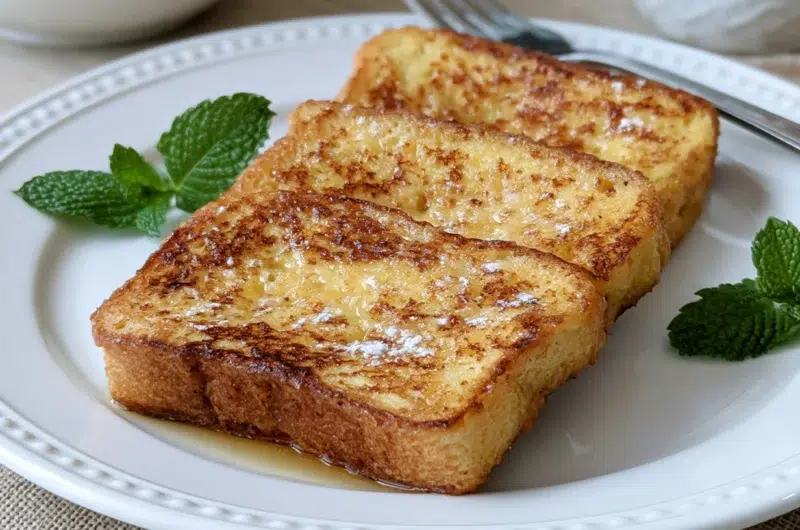
kcalA classic French toast recipe made with simple pantry ingredients, delivering a golden, crispy exterior and a soft, custardy center. Perfect for a quick breakfast or brunch, this method ensures rich flavor and consistent, professional-quality results every time.
Ingredients
4 slices thick-cut bread
2 large eggs
1 cup milk
2 tablespoons sugar
1 teaspoon vanilla extract
1/2 teaspoon ground cinnamon
1 tablespoon butter
1/4 teaspoon nutmeg (optional)
2 tablespoons heavy cream (optional)
1 tablespoon maple syrup (optional)
1/4 cup fresh berries (optional)
2 tablespoons chopped nuts (optional)
Directions
- Whisk eggs, milk, sugar, vanilla extract, and cinnamon in a bowl until smooth.
- Dip each bread slice into the custard, allowing it to soak evenly without becoming soggy.
- Heat butter in a non-stick pan over medium heat until fully melted.
- Place soaked bread onto the pan and cook for 3–4 minutes per side until golden brown.
- Flip once and cook evenly on both sides.
- Remove from pan and serve immediately with desired toppings.
Recipe Video
Notes
- Use slightly stale bread for better absorption and texture.
- Avoid over-soaking to prevent sogginess.
- Cook on medium heat to ensure even browning without burning.
- Customize with toppings like fruits, syrup, or cream for variety.