Some recipes may look simple at first glance, but once you try them, you realize how much flavor they bring to a meal. Vietnamese pickled carrots and daikon are a perfect example of that. Crisp, lightly sweet, slightly tangy, and incredibly refreshing, these quick pickled vegetables are a staple in Vietnamese cuisine and are known for adding brightness and crunch to many traditional dishes. If you’ve ever enjoyed a Vietnamese bánh mì sandwich, there’s a good chance you’ve already tasted this delicious pickle. The combination of carrots and daikon radish creates a fresh balance of flavors that cuts through rich meats, savory sauces, and hearty dishes beautifully. Even though the recipe is incredibly easy to make, it completely transforms meals with its texture and vibrant taste.
One of the reasons this recipe has remained so popular over the years is its versatility. These pickled vegetables can be added to sandwiches, rice bowls, grilled meats, noodle dishes, salads, and even simple homemade meals that need a little extra freshness. They’re light, crunchy, and packed with flavor without requiring complicated ingredients or long preparation times.
Why This Pickled Vegetable Recipe Is a Staple in Vietnamese Cooking
In Vietnamese cooking, balance is everything. Meals often combine sweet, salty, sour, spicy, and savory elements together in a way that feels fresh and satisfying rather than heavy. Vietnamese pickled carrots and daikon, often called Đồ Chua, play an important role in creating that balance.
Because the vegetables are lightly pickled instead of heavily fermented, they maintain their crisp texture and natural freshness. The vinegar brine adds acidity, the sugar softens the sharpness, and the vegetables absorb just enough flavor to become bright and refreshing without overpowering the dish they’re served with. This is why they’re commonly served alongside rich grilled meats, savory pork, fried foods, and sandwiches. The crisp texture and tangy flavor help cleanse the palate and make every bite feel lighter and more balanced.
Another reason people love this recipe is that it’s affordable, easy to prepare, and keeps well in the refrigerator. A single jar can instantly elevate several meals throughout the week.
The Sweet, Tangy, and Crunchy Flavor Everyone Loves
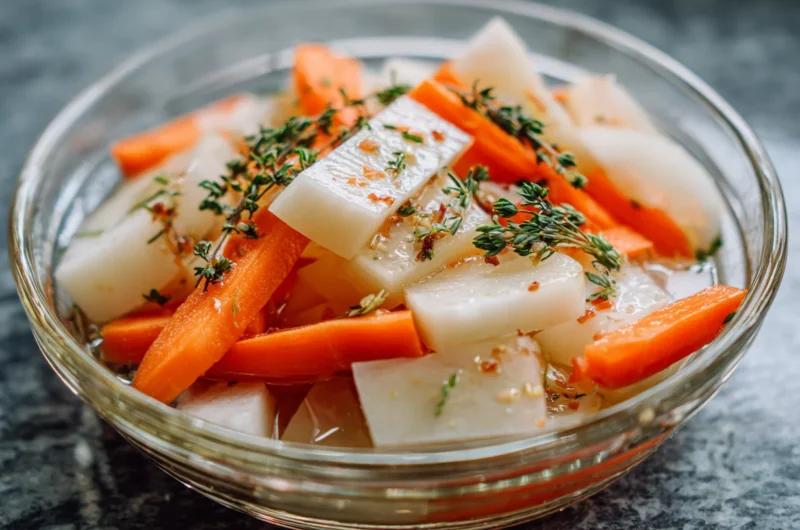
What makes Vietnamese pickled carrots and daikon different from many Western-style pickles is their delicate flavor. They’re not aggressively sour or overwhelmingly salty. Instead, the taste is light, balanced, and refreshing. The carrots bring subtle sweetness and color, while the daikon radish adds a crisp texture and mild peppery flavor. Together, they absorb the sweet vinegar brine beautifully.
The result is a pickle that feels clean and refreshing rather than heavy. Even people who usually don’t enjoy strong pickled foods often end up loving this recipe because the flavor stays mild, crisp, and easy to pair with many dishes. The texture is equally important. Properly prepared Vietnamese pickles should stay crunchy and fresh, never soft or soggy. That crisp bite is one of the reasons they work so well in sandwiches and rice bowls.
Ingredients List
This recipe uses very simple pantry ingredients, but the balance between them is important.
- 2 medium carrots, julienned
- 1 medium daikon radish, julienned
- 1 cup warm water
- 1 cup white vinegar
- ½ cup sugar
- 1 teaspoon salt
Optional additions:
- Garlic cloves
- Sliced chili peppers
- Rice vinegar for a milder flavor
Daikon radish can usually be found in Asian grocery stores or larger supermarkets. It’s a large white root vegetable with a mild flavor and crisp texture.
Step-by-Step Instructions
Cutting the Vegetables Properly
Start by peeling the carrots and daikon radish. Slice them into thin matchstick-sized strips. Keeping the pieces similar in size helps them pickle evenly and creates the traditional texture commonly found in Vietnamese cuisine. Thin strips absorb flavor faster while still staying crunchy. If the pieces are too thick, the vegetables may not pickle properly. If they’re too thin, they can become soft too quickly. After cutting the vegetables, place them in a large bowl.
Creating the Perfect Vinegar Brine
In a separate bowl or measuring cup, combine the warm water, sugar, and salt. Stir until the sugar completely dissolves. Next, add the vinegar and mix well. The balance between sweetness and acidity is what gives Vietnamese pickled vegetables their signature flavor. The brine should taste lightly sweet, slightly tangy, and smooth rather than harsh. Some people prefer using rice vinegar because it creates a softer and slightly milder flavor compared to regular white vinegar.
Letting the Flavors Develop
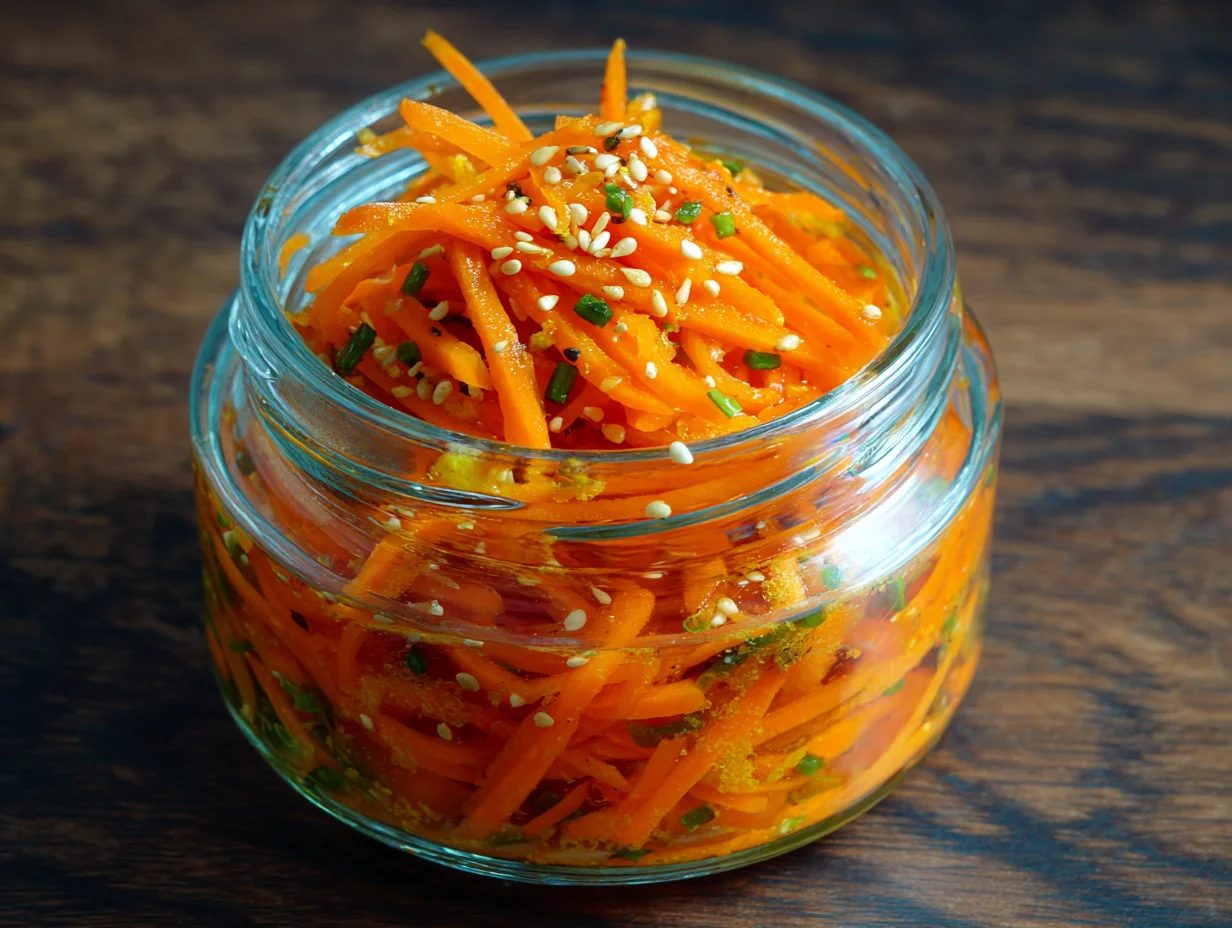
Transfer the carrots and daikon into a clean jar or airtight container. Pour the brine over the vegetables until fully covered. Let the vegetables sit for at least a few hours before serving, though the flavor becomes even better after overnight refrigeration. As they pickle, the vegetables soften slightly while still keeping their signature crunch. The flavors continue developing over the next day, creating a perfectly balanced sweet and tangy taste.
Traditional Vietnamese Dishes That Pair Perfectly With It
One of the best things about this recipe is how many dishes it complements. Vietnamese pickled carrots and daikon are incredibly versatile and can instantly brighten heavier meals. They’re most famously used in bánh mì sandwiches, where the crisp vegetables balance savory meats, pâté, and spicy sauces. However, their uses go far beyond sandwiches.

These pickled vegetables pair wonderfully with:
- Grilled chicken or pork
- Rice bowls
- Vermicelli noodle dishes
- Fried rice
- Spring rolls
- Barbecue dishes
- Asian-inspired salads
Even simple meals like roasted chicken or plain rice feel fresher and more flavorful when served with these pickles.
Easy Variations You Can Try
Once you’ve mastered the basic recipe, there are several ways to customize it.
Adding sliced jalapeños or red chili peppers gives the pickles a spicy kick. Garlic cloves can deepen the flavor slightly and make the brine more aromatic. Some people add cucumber for extra freshness, while others reduce the sugar for a sharper and more sour pickle.
If you enjoy slightly sweeter pickles, increasing the sugar by a small amount creates a softer and more balanced flavor that works especially well in sandwiches. You can also experiment with cutting styles. Thin rounds, ribbons, or thicker matchsticks all create slightly different textures.
How Long Does It Last?
When stored properly in an airtight container inside the refrigerator, Vietnamese pickled carrots and daikon usually stay fresh for about 2 to 3 weeks. The vegetables will continue absorbing flavor over time, becoming slightly more tangy each day. For the best texture, many people prefer eating them within the first week while they still maintain maximum crunch.
Always use clean utensils when removing vegetables from the jar to keep the pickles fresh longer. If the vegetables begin to smell unpleasant or become overly soft, they should be discarded.
Nutritional Information
Nutritional values are approximate and may vary depending on ingredient quantities.
Per serving:
- Calories: 45–60
- Carbohydrates: 11g Sugar: 8g
- Fiber: 1g Fat: 0g
- Protein: 0.5g
Because these pickled vegetables are light and low in calories, they’re a great addition to balanced meals.
Final Thoughts
Vietnamese pickled carrots and daikon may be simple to make, but they bring an incredible amount of freshness, crunch, and balance to meals. Their lightly sweet and tangy flavor pairs beautifully with everything from sandwiches to grilled meats and rice bowls.
Once you make a batch at home, it’s easy to understand why these pickled vegetables are such an important part of Vietnamese cuisine. They’re fresh, versatile, easy to prepare, and capable of turning even simple meals into something more vibrant and flavorful.
Frequently Asked Questions
What does daikon taste like in Vietnamese pickles?
Daikon radish has a very mild flavor compared to regular red radishes. When pickled, it becomes slightly sweet, crisp, and refreshing with only a subtle peppery taste. It absorbs the sweet vinegar brine beautifully, which makes it perfect for balancing rich or savory dishes without overpowering them.
Can I make Vietnamese pickled carrots and daikon without daikon radish?
Yes, you can make the recipe using only carrots if daikon is difficult to find. However, daikon adds a unique crisp texture and mild flavor that gives the pickle its traditional taste. Without it, the recipe will still be delicious but slightly sweeter and less balanced in texture.
Why are my pickled vegetables not crunchy?
The vegetables may have been sliced too thinly or left in the brine too long before refrigeration. Using fresh vegetables and keeping them refrigerated helps preserve their crispness. Avoid pouring very hot brine over the vegetables because excessive heat can soften them quickly.
How soon can I eat the pickled carrots and daikon?
You can eat them after a few hours, but the flavor becomes much better after several hours in the refrigerator or overnight. This resting time allows the vegetables to absorb the sweet and tangy brine properly while developing a more balanced flavor.
Are Vietnamese pickled vegetables healthy?
Yes, they can be a healthy addition to meals because they’re low in calories and made with fresh vegetables. They add flavor, texture, and crunch without needing heavy sauces or extra fats. Reducing the sugar slightly can make the recipe even lighter if preferred.
Can I use rice vinegar instead of white vinegar?
Absolutely. Rice vinegar is commonly used in many Vietnamese recipes because it creates a softer, milder acidity. White vinegar gives a slightly sharper tang, while rice vinegar produces a gentler and more delicate flavor.
Vietnamese Pickled Carrots And Daikon Recipe
10
servings15
minutes5
minutes25
kcalCrisp, tangy, and lightly sweet, these Vietnamese Pickled Carrots and Daikon (Đồ Chua) are a staple in bánh mì sandwiches and rice bowls. Made with pantry staples, they’re quick to prep and elevate any savory dish with a refreshing crunch.
Ingredients
2 medium carrots, julienned
1 medium daikon radish, julienned
1 tsp salt
1 tbsp sugar (for sweating the vegetables)
For the pickling brine:
1 cup distilled white vinegar
1 cup water
½ cup sugar
1 tsp salt
Directions
- In a large bowl, toss carrots and daikon with 1 tsp salt and 1 tbsp sugar. Let sit for 15 minutes to draw out moisture.
- Rinse vegetables under cold water, then gently squeeze out excess liquid.
- In a saucepan, combine vinegar, water, sugar, and salt. Heat just until the sugar dissolves. Let cool slightly.
- Pack carrots and daikon into a clean glass jar.
- Pour the warm pickling brine over the vegetables until fully submerged.
- Let cool to room temperature, then seal and refrigerate.
- Chill for at least 4 hours (preferably overnight) before serving.
Recipe Video
Notes
- These pickles stay fresh for up to 3 weeks when refrigerated in an airtight jar.
- Adjust the sugar or vinegar to suit your desired balance of sweet and tangy.
- Pairs perfectly with bánh mì, grilled pork, or noodle salads.